Book a consultation

    What Are Porcelain Crowns?

    Porcelain crowns are a method that uses porcelain material to make artificial crowns with the shape, size and color of real teeth, placed over the tooth to restore tissue lost during chewing. This restores aesthetics and chewing function for the patient.

    Indications (when should you get a porcelain crown?)

    • Teeth with large decay-related fractures.
    • Teeth that have had root canal treatment.
    • Teeth with large fillings.
    • Replacing missing teeth (bridges).
    • Crowded teeth or severe tooth wear.
    • Dull, tetracycline- or severely fluoride-stained teeth.
    • Enamel hypoplasia.
    Porcelain crowns_indications
    Porcelain crowns_contraindications

    Contraindications (when should porcelain crowns not be done?)

    • Poor oral hygiene.
    • Active periodontal disease.
    • Teeth with thin enamel/dentin walls that cannot be restored.
    • Severe, uncontrolled teeth grinding.
    • Crown-to-root ratio: poor roots.
    • Severe bite misalignment requiring orthodontic treatment.

    Types of Porcelain Crowns

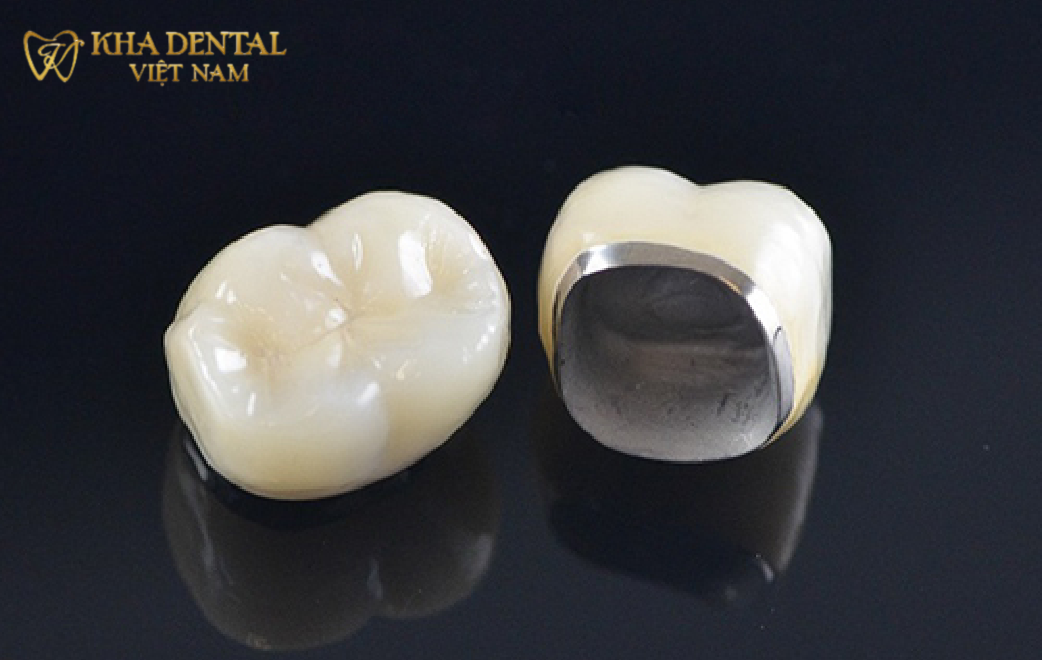
    There are many types of porcelain crowns on the market, such as metal-ceramic crowns (Nickel–Chrome, Titanium, Chrome–Cobalt), all-ceramic oxide crowns (Zirconia, Cercon, Lava) and all-ceramic glass crowns (Emax, Lisi). Each type has its own advantages and disadvantages, and depending on each specific dental condition the doctor will advise the ceramic that best suits the patient.

    Metal-ceramic

    Advantages

    The metal framework inside is harder to break than a ceramic framework.

    Natural color, close to real teeth.

    Disadvantages

    Less natural than all-ceramic crowns.

    The porcelain layer over the metal framework chips easily.
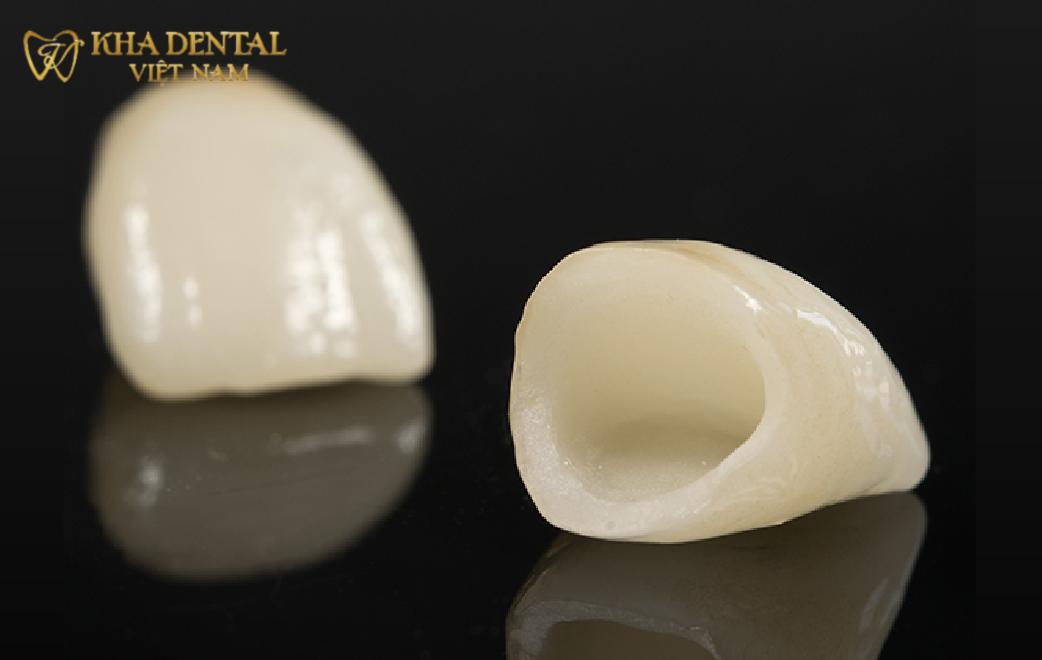
    All-ceramic (oxide ceramic)

    Advantages

    The most natural color, closest to real teeth.

    Disadvantages

    More expensive than metal-ceramic crowns.
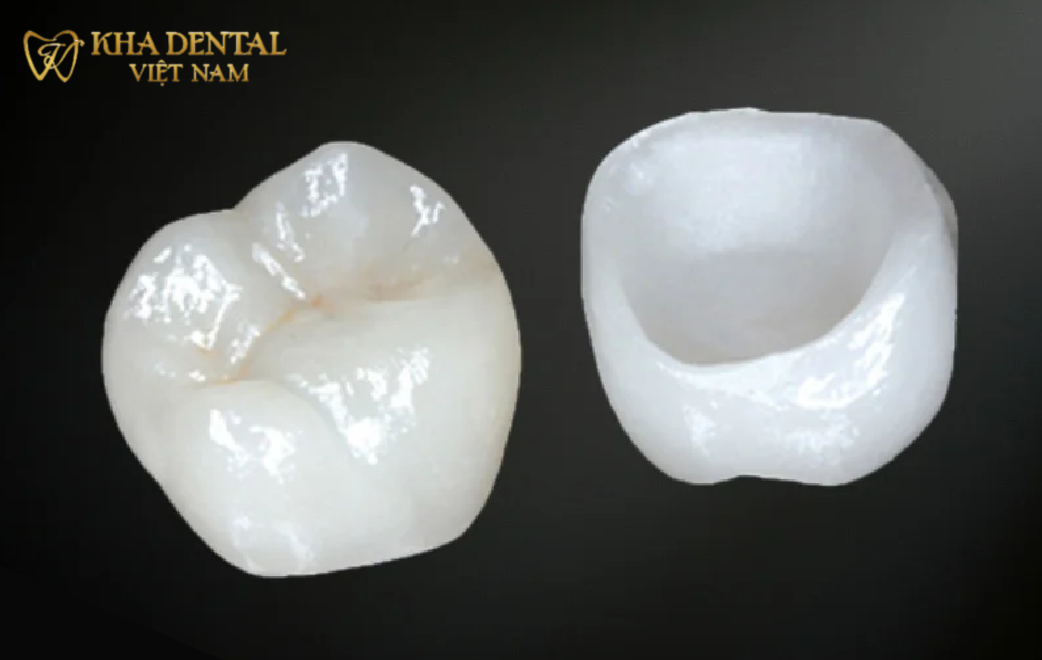
    All-ceramic (glass ceramic)

    Advantages

    The most natural color, closest to real teeth.

    Disadvantages

    More expensive than metal-ceramic crowns.

    When Should Aesthetic Porcelain Crowns Be Used?

    Aesthetic porcelain crowns are commonly indicated for cases such as:

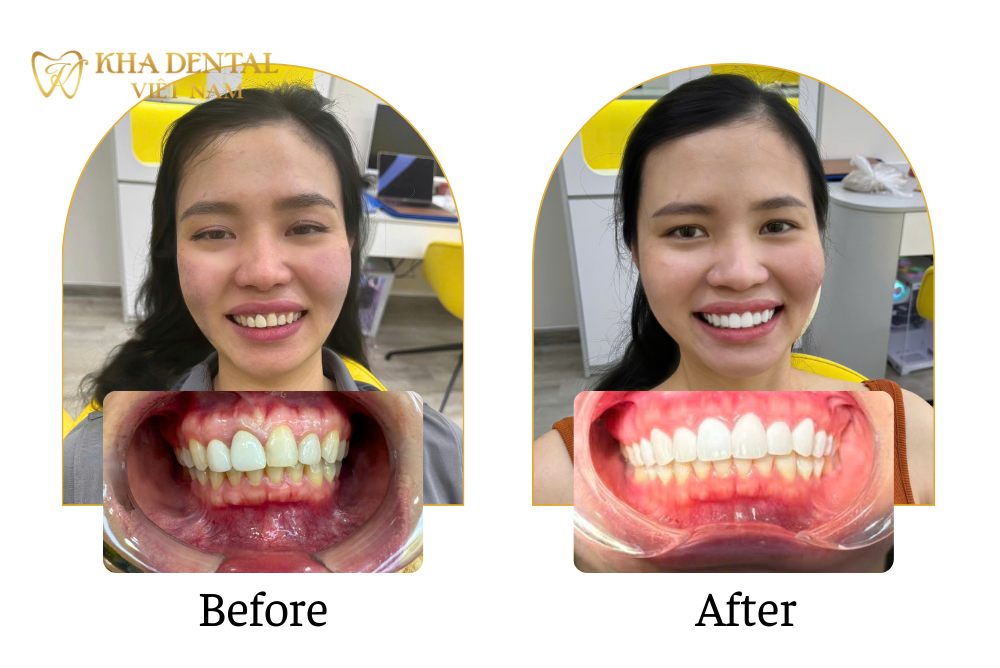
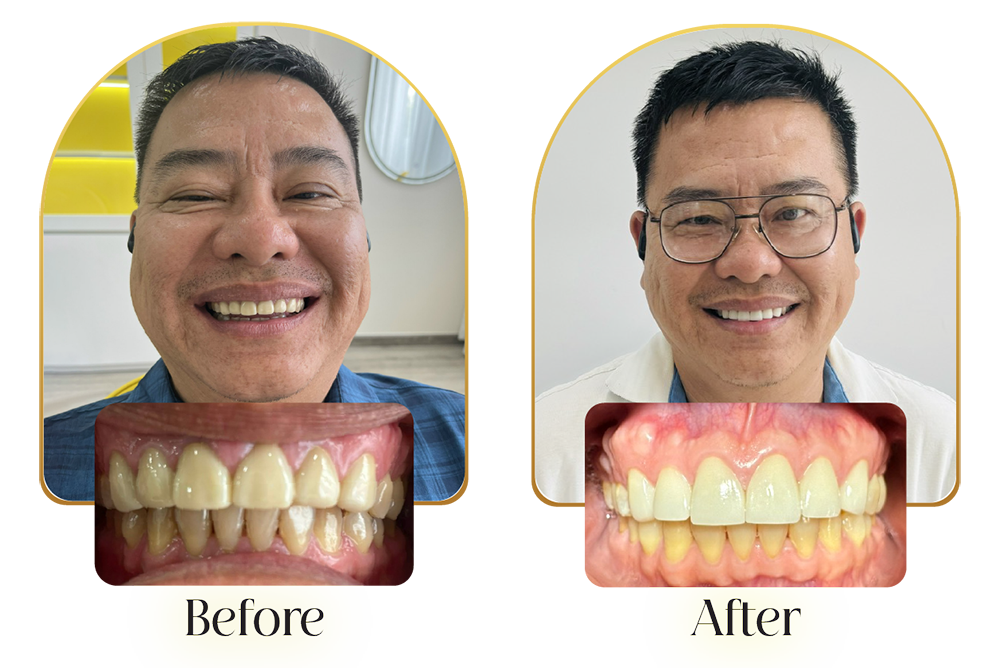
    People with severe tetracycline/fluoride staining that whitening and veneers cannot fix, causing low confidence and shyness in communication.

    Teeth that have had root canal treatment, teeth with large fractures that cannot be rebuilt, teeth with heavy decay… making chewing difficult and where other aesthetic methods (such as veneers) cannot be applied.

    Why Are Porcelain Crowns Increasingly Popular?

    Aesthetic porcelain crowns are favored by many customers thanks to their high durability, combined with modern technology that significantly shortens the time to make them.

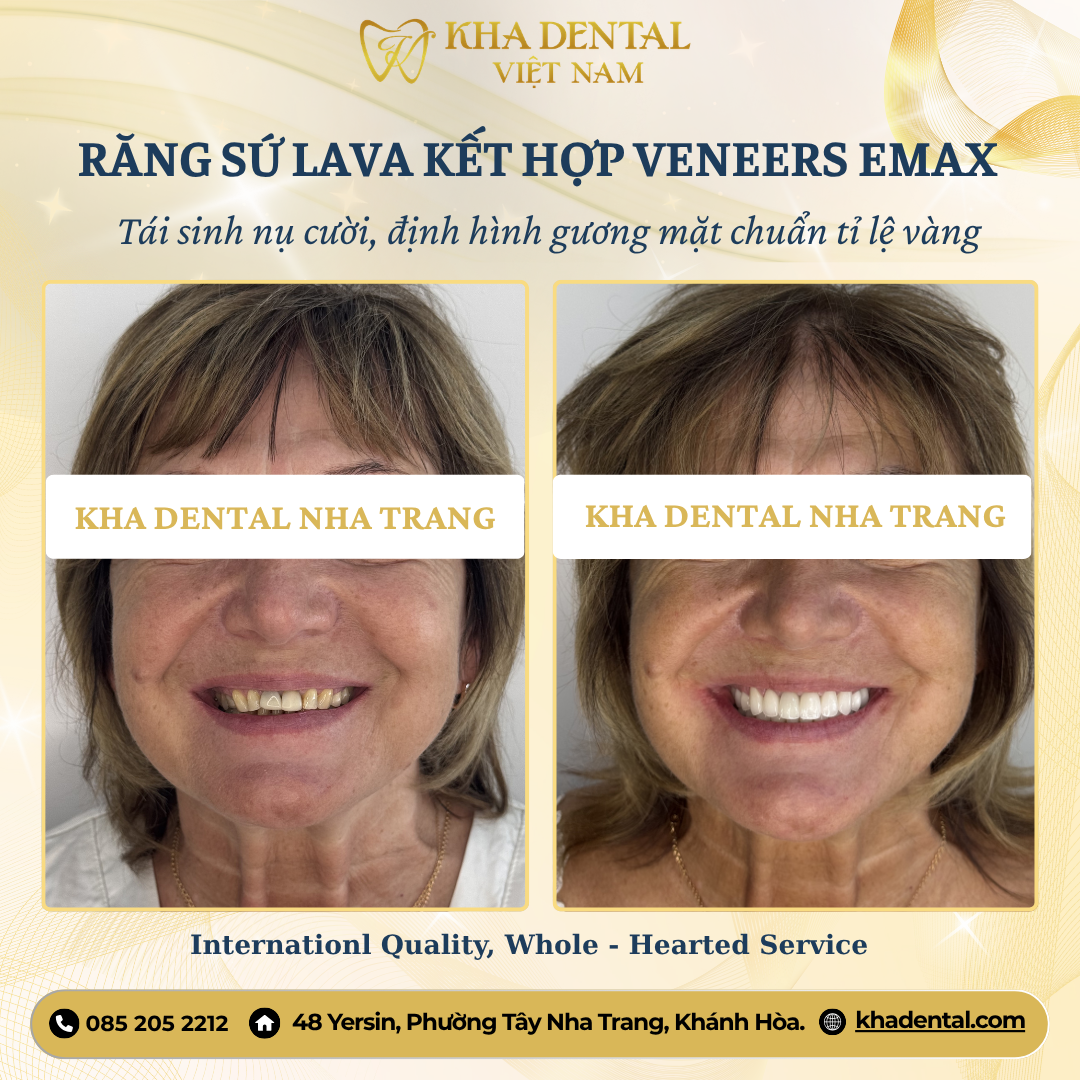
    Outstanding aesthetics: Porcelain crowns have a shape and color similar to real teeth, giving a natural look, a bright white smile that meets aesthetic standards and more confidence when communicating with everyone.

    High durability, 8–10 years or more: With porcelain materials of clear origin and treatment by a specialist doctor, the lifespan can reach 8–10 years. Thanks to their firmness, the tooth's chewing function is ensured throughout use.

    Quick crown fabrication: Porcelain crowns usually take 3–7 days with 3–5 appointments depending on the tooth condition, number of teeth to be crowned, and the doctor's skill… With CAD/CAM digital technology, Kha Dental can now restore porcelain teeth within a few hours, saving customers time and effort.

    Safe for health: Getting porcelain crowns at reputable clinics with experienced doctors and modern facilities ensures health safety, so customers feel more assured throughout dental treatment.

    Porcelain crown procedure

    Steps in the porcelain crown process
    Step 1

    General examination to check oral condition and panoramic X-ray

    Step 2

    Tooth preparation and impressions
    Step 3

    Porcelain try-in
    Step 4

    Permanent placement of porcelain crowns

    Step 1: General examination to check oral condition and panoramic X-ray

    At the first appointment, the doctor examines and records the condition of each tooth in the patient's mouth as well as any oral diseases and the patient's oral hygiene. The patient also has X-rays taken to check the condition of the roots and periapical diseases. If there is decay or an accompanying condition, the doctor will treat it completely before beginning the crowns. Depending on each patient's dental condition and aesthetics, the doctor plans treatment, chooses the type of porcelain material and takes preliminary impressions to design a sample crown (in wax) that suits the patient.

    Step 2: Tooth preparation and impressions

    At the second appointment, the doctor anesthetizes the area to be prepared and tries in the designed sample so the patient can see the final result. If necessary, it is adjusted until the patient is most satisfied. The doctor then prepares the tooth stump to just the right amount (not too much or too little), ensuring correct technique and maximum preservation of dentin tissue while still meeting the patient's aesthetic needs.

    After the tooth stump has been carefully prepared, the doctor takes impressions with impression rubber and copies the patient's bite to send to the lab to make the porcelain crowns.

    Step 3: Porcelain try-in

    At the third appointment, the doctor tries the porcelain teeth in the patient's mouth, checks the tooth shape and crown color, and adjusts the bite to avoid interference that obstructs chewing.

    Step 4: Permanent placement of porcelain crowns

    After the try-in, if the patient is satisfied with the aesthetics and the bite has been checked, the doctor will cement the porcelain crowns with special bonding material. The doctor checks the patient's bite and aesthetics once more before they leave, gives instructions on how to use and clean the porcelain crowns, and schedules regular follow-up visits.

    Benefits and Risks of Porcelain Crowns

    Benefits

    The most obvious benefit of porcelain crowns is prolonging the lifespan of the natural tooth. In particular, a porcelain crown can also

    • Treats decayed, worn and broken teeth.
    • Improves aesthetics and chewing function.
    • Durability of at least 5 years or more with proper care.

    Risks

    • Grinds a lot of tooth tissue.
    • May cause tooth sensitivity after permanent placement.
    • Recurrent decay if the crown does not fit tightly against the tooth tissue.
    • May fracture or break if the bite is not well adjusted.
    • Higher cost for some premium ceramics.

    Reasons to Choose Porcelain Crowns at Kha Dental

    Master's degree - DoctorNguyen Huu TrungGeneral Dentistry and Aesthetic Restorative Dentistry at Kha DentalLearn more
    vnc Experienced doctors

    Kha Dental's doctors are properly trained and continually update their knowledge so they can make the most optimal treatment plan for the patient's dental condition and aesthetic needs.

    vnc Treatment philosophy: minimally invasive, maximum preservation

    Doctors always preserve as much of the patient's healthy tooth tissue as possible to limit complications after porcelain crowns and protect the health of the dental pulp, while still meeting aesthetic requirements.

    vnc Dedicated, thoughtful care throughout the porcelain crown treatment

    Patients receive enthusiastic advice from the doctors and staff at Kha Dental, with 24/7 support and readiness to answer questions and help with any difficulties. If you have any questions, you can contact the hotline 0852052212.

    vnc Interdisciplinary combination delivers the most optimal treatment results

    At Kha Dental, the doctors have knowledge not only of restorative dentistry but are also trained in and up to date on other specialties such as endodontics, implants, orthodontics and periodontics… so they can make the most complete and meticulous treatment plan possible to give patients a healthy, natural and perfect smile.

    Things to note after getting porcelain crowns

    Most patients can go about their normal lives right after the permanent crowns are placed. However, in some cases there is tooth sensitivity after placement – this feeling lasts a few weeks and gradually fades on its own.

    Patients may also feel tightness in neighboring teeth and gum soreness or gum blanching right after placement. These symptoms last a few days and gradually subside on their own. If the patient feels uncomfortable, they can take painkillers (paracetamol, Alaxan,…) to relieve pain effectively.

    After porcelain crowns are placed, patients should avoid hard, chewy foods (such as ice cubes, hard grains like almonds, tough cartilage and tendons that have not been stewed well, pork/beef bones,…) or very sticky foods such as taffy and caramel,… These foods can damage the porcelain crown (cracking the ceramic) or pull the crown off.

    Porcelain crowns typically last at least 7 years and can last more than 20 years if used carefully and cared for thoroughly, together with a regular follow-up schedule.

    • Brush twice a day with a soft toothbrush and fluoride toothpaste.
    • Use a water flosser or dental floss after every meal.
    • Use mouthwash twice a day after brushing to avoid bad breath and reduce plaque and harmful bacteria.
    • Avoid foods that are too hard, too brittle or too sticky as much as possible.
    • If you have a habit of teeth grinding, tell your doctor so you can be advised to use a night guard.
    • Return for follow-ups and professional cleaning on schedule.

    Porcelain crown costs

    The cost of porcelain crowns depends on each patient's dental condition, the number of crowns and the ceramic material chosen.
    Below is the detailed price list at Kha Dental (Unit: per tooth)

    SERVICE UNIT PRICE
    Titanium ceramic crown 2,500,000 VND
    All-ceramic oxide crown (Zirconia, Cercon, Lava) 5,000,000 – 8,500,000 VND
    All-ceramic glass crown (Emax, Lisi) 6,500,000 – 8,500,000 VND

    Kha Dental commits to clear, open and transparent porcelain crown cost consultation.

    0% interest installment support for porcelain crown services valued at 10,000,000 or more

    Costs may vary depending on each patient's specific condition, the ceramic material chosen and the monthly promotions. Please contact Kha Dental for detailed and accurate advice and a quotation.

    KHA DENTAL IS ALWAYS BY YOUR SIDE

    Creating Healthy, Beautiful and Lasting Smiles

    Back to Top
    • CONSULT WITH THE DOCTOR'S ASSISTANT NOW

      Register now to get advice as early as possible, along with many attractive offers